Training
Training at the Genbukan Kenshu Dojo UK follows a comprehensive syllabus specially developed by Grandmaster Shoto Tanemura Soke. The curriculum centres around four main foundational pillars:
Ninpo Taijutsu (Ninjutsu unarmed and movement systems)
Jujutsu (Traditional Samurai unarmed combat)
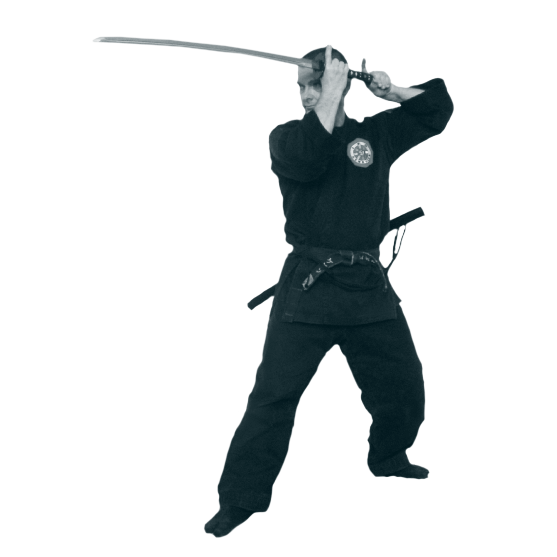
Bikenjutsu (Samurai sword arts)
Bojutsu (Staff and polearm techniques)
Specialized Weapons Training
In addition to the core pillars, specialized classes cover traditional weaponry, including:
Yari (Spear)
Naginata (Glaive / Halberd)
Kusari Fundo (Weighted chain)
Shuriken (Throwing blades / darts)
Grading & Structure
Training accommodates students from beginner to advanced levels (ages 15+). The curriculum guides practitioners through 10 Kyu grades (below black belt) before advancing into higher Dan ranks (black belt levels).
Traditional Lineages (Ryu-Ha)
Advanced practitioners also have the rare opportunity to study authentic, historic martial art traditions in their original forms (Ko Ryu), including:
Togakure Ryu
Kukishin Ryu
Takagi Yoshin Ryu
Asayama Ichiden Ryu
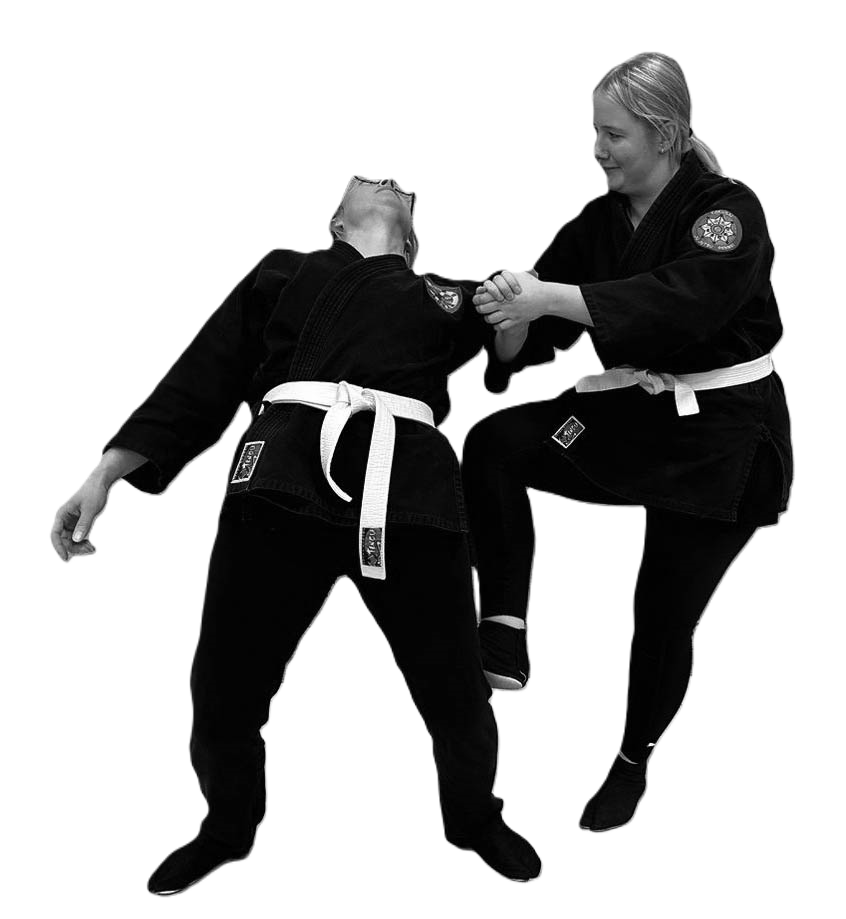
Ninpo Taijutsu (忍法体術) (Ninjutsu)
Is a traditional Japanese martial art from the historical Iga and Koga regions. Designed for practical self-defence, it relies on natural body mechanics, balance, and leverage—not brute force or speed.
Taihen-jutsu: Body movement, angling, break-falls, and evasion.
Daken-taijutsu: Striking methods powered by full-body integration.
Kosshi-jutsu & Koppo-jutsu: Targeting weak points, pressure points, and joint structures.
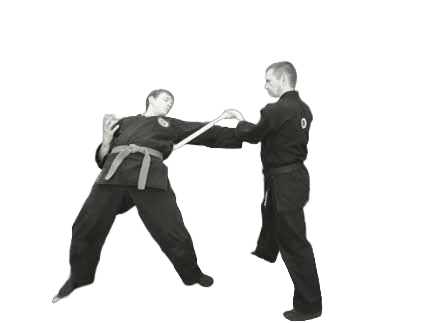
Jutaijutsu: Close-quarters grappling, joint locks, throws, and escapes.
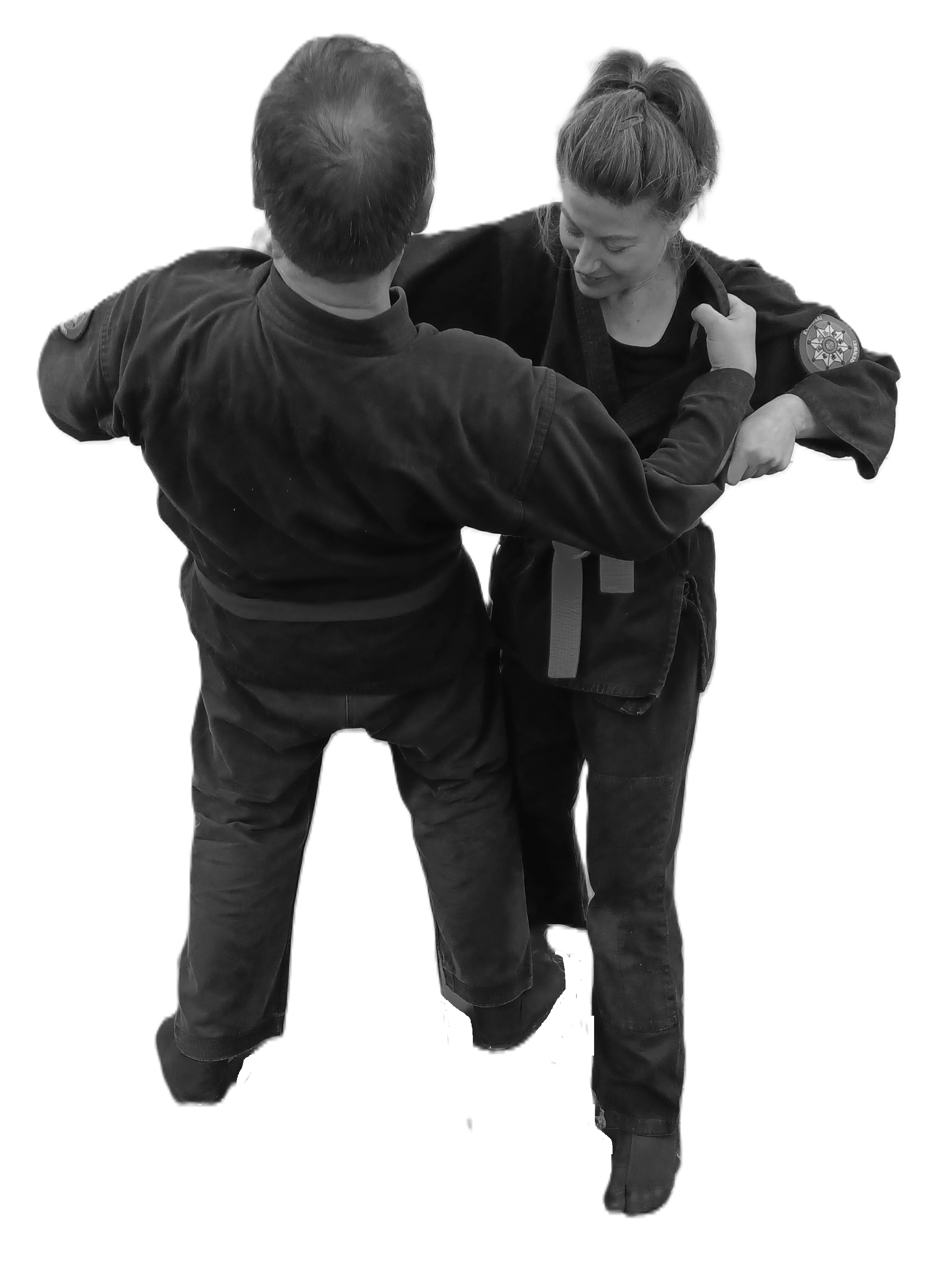
Jujutsu (国際柔術)
Developed by the Samurai to maintain order across feudal Japan, Jujutsu evolved through battlefield testing. Ineffective styles faded away, leaving dynamic, proven combat techniques refined over centuries.
Unlike stealth-focused arts like Ninpo, Jujutsu prioritizes close-quarters unarmed combat. It balances offensive strikes and defense with precise throws, joint locks, and restraint holds—allowing practitioners to adapt fluidly to any situation.
Because these techniques control and neutralize opponents safely and effectively, Jujutsu remains a core foundation for modern law enforcement and defence tactics worldwide.
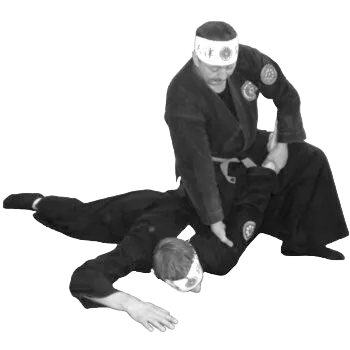
Bōjutsu (棒術)
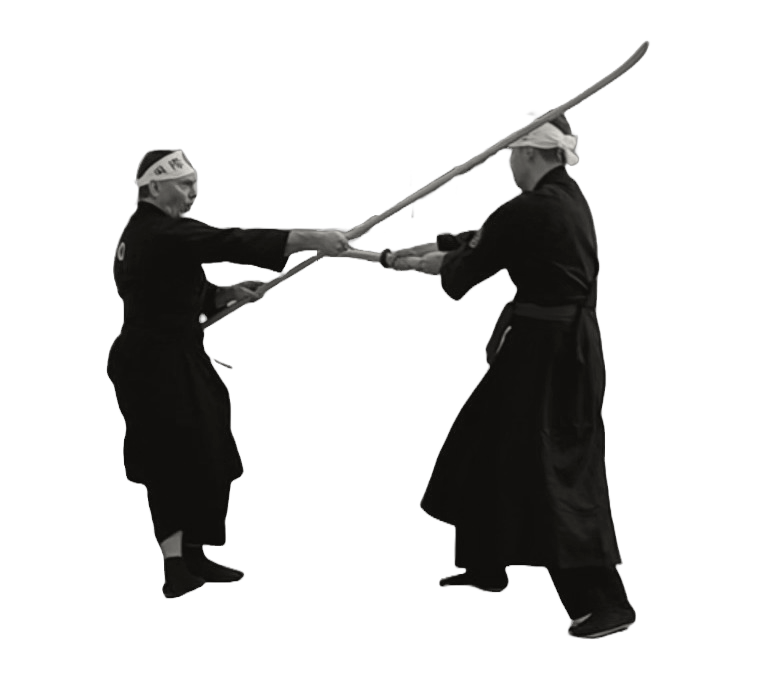
Bōjutsu is the traditional Japanese art of staff fighting, utilizing either the Bō (6-foot staff) or the Hanbō (3-foot staff).
Practitioners use high-speed twirls, strikes, and thrusts to disrupt an opponent's timing and target critical weak points. By harnessing fluid momentum and leverage, Bōjutsu delivers powerful offensive and defensive capabilities at range.
Biken-jutsu (秘剣術)
Biken-jutsu ("secret sword art") is the comprehensive study of traditional Japanese swordsmanship. Students start training with a wooden sword (bokken) before advancing to unsharpened practice blades (iaito) or live steel (shinken).
The discipline integrates three core elements:
Kenjutsu (剣術): Combative patterns with the blade already drawn.
Iaijutsu (居合術): Quick-draw techniques from the scabbard to counter sudden attacks.
Battōjutsu (抜刀術): Seamless, immediate strikes executed in the direct motion of drawing the blade.